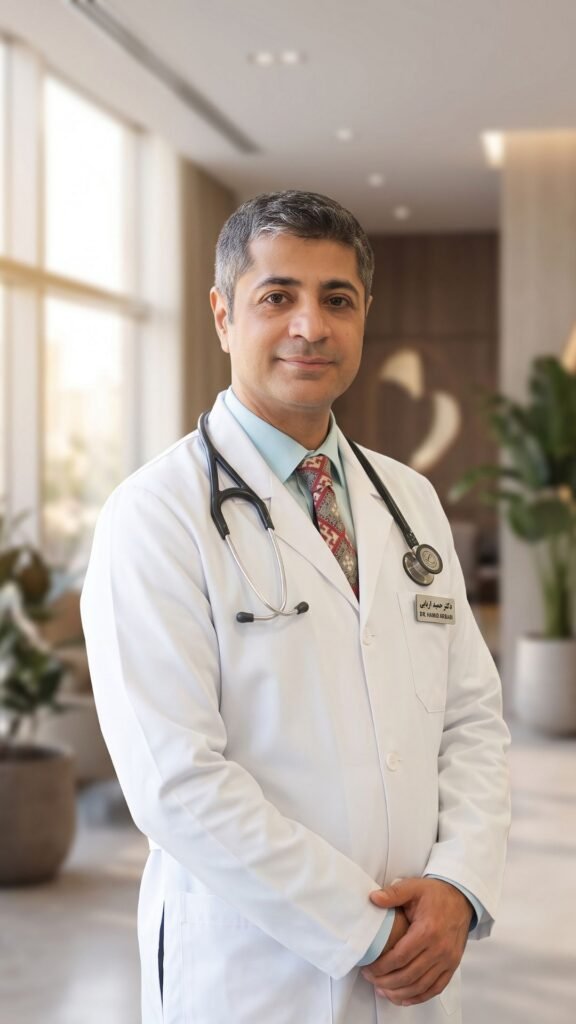
Dr. Farshid Arbabi - Radiation Oncologist
Log In / Sign UpAppointments

Dr. Farshid Arbabi, radiation oncologist
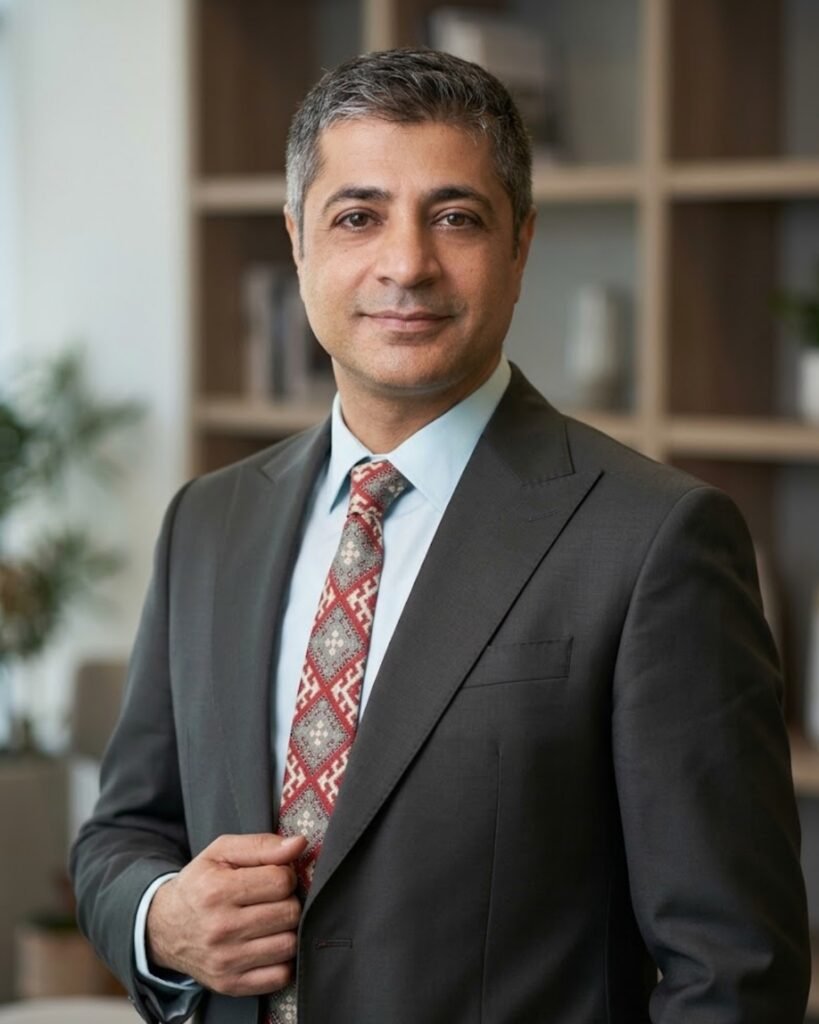
Top rank
in the radiotherapy specialty board exam
ESMO member
European Society for Medical Oncology
Over 20 years
of clinical and research experience

When cancer is diagnosed, the most important step before any treatment is a decision: where treatment should begin and in what order it should proceed. In more than twenty years of practice, I have seen how this one decision can shape the rest of a person’s life.

I am Farshid Arbabi, a radiation oncologist, top-ranked in the national specialty board exam. I treat cancer with non-surgical methods: modern radiotherapy, chemotherapy, targeted therapy and immunotherapy. Because I know both sides of treatment, radiation and drugs, I design the whole treatment plan with the surgeon and the care team instead of defending a single method.

Alongside clinical work, I am a researcher and a medical educator. Radiosurgery and Gamma Knife, breast cancer, and brain and spinal cord tumors are among my research areas, and what these years have taught me shows above all in the decisions I make for my patients at the clinic.

Your treatment pathway, built on four principles
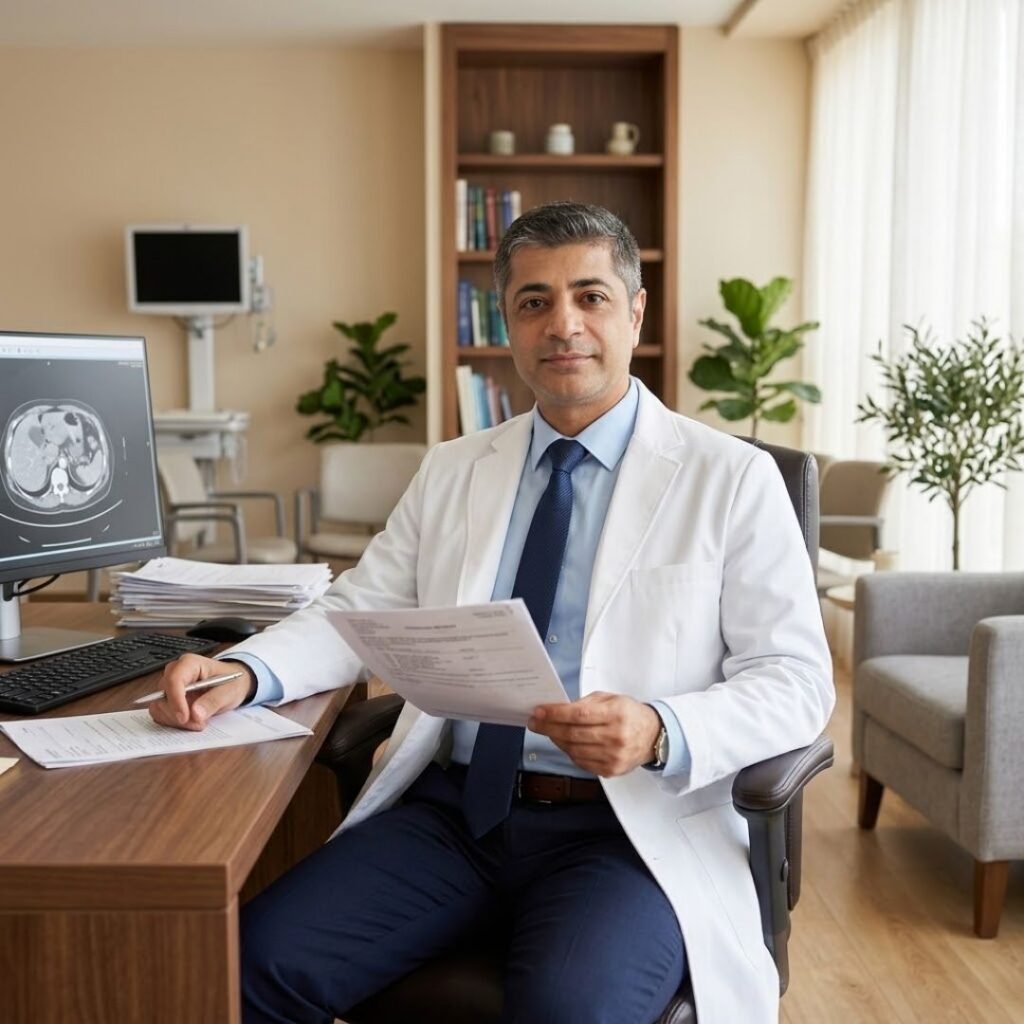
Each step is completed before the next begins, and at every step one of the four principles your treatment is built on goes with you, so you always know where you are on the path and what comes next.
Step 1 of 5A full understanding of the disease
1
A full understanding of the disease
Step 1 of 5

A full understanding of the disease

At the first visit, I begin by hearing the history of the illness in your own words. Then I review the pathology report, imaging (CT, MRI or PET scan) and tests myself, so the type and stage of the disease become precisely clear. If part of this picture is incomplete, I tell you what other tests are needed.

Our principle: decide first, then treat

When you come to the clinic with a pathology report, the first task is not to start treatment but to complete the picture of the disease. The exact type of tumor, its extent and its molecular features are established, and only then is the order of treatment decided.
2
Designing the treatment plan
Step 2 of 5

Designing the treatment plan

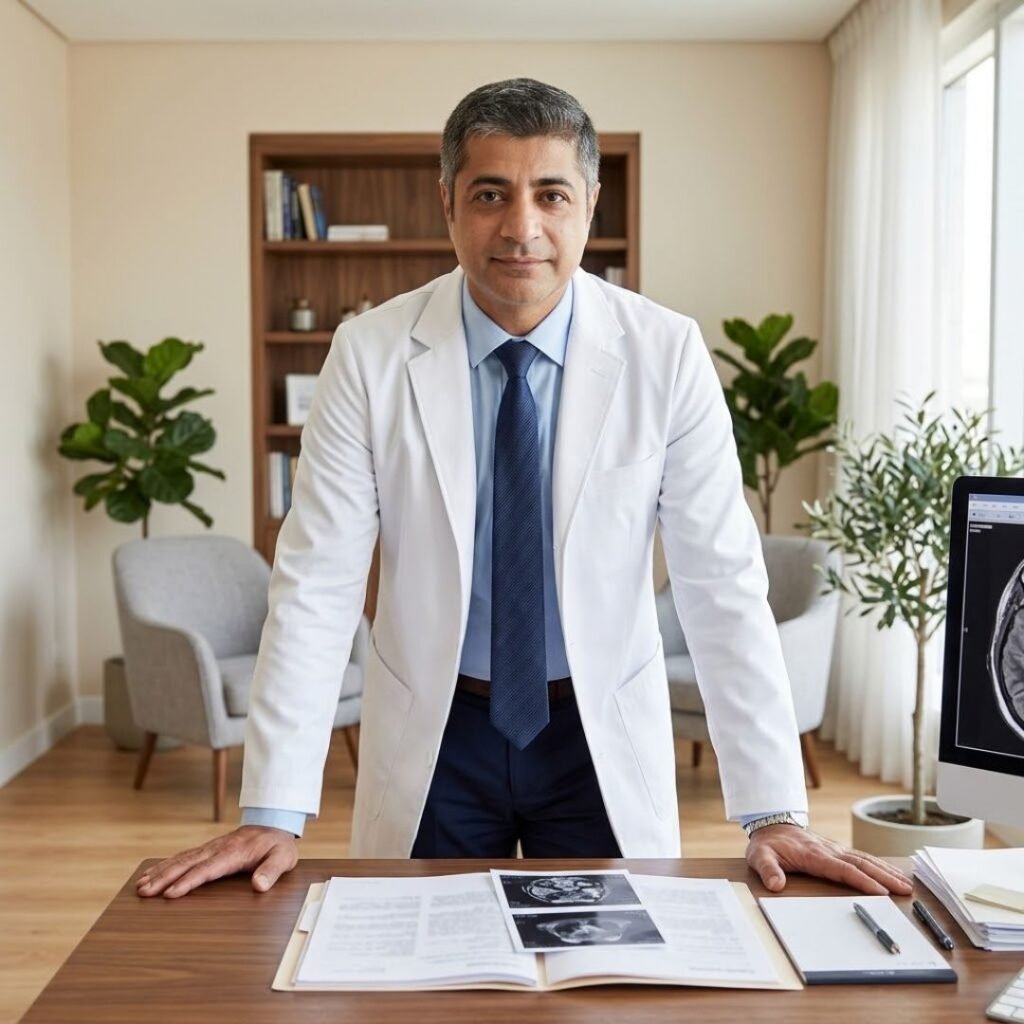
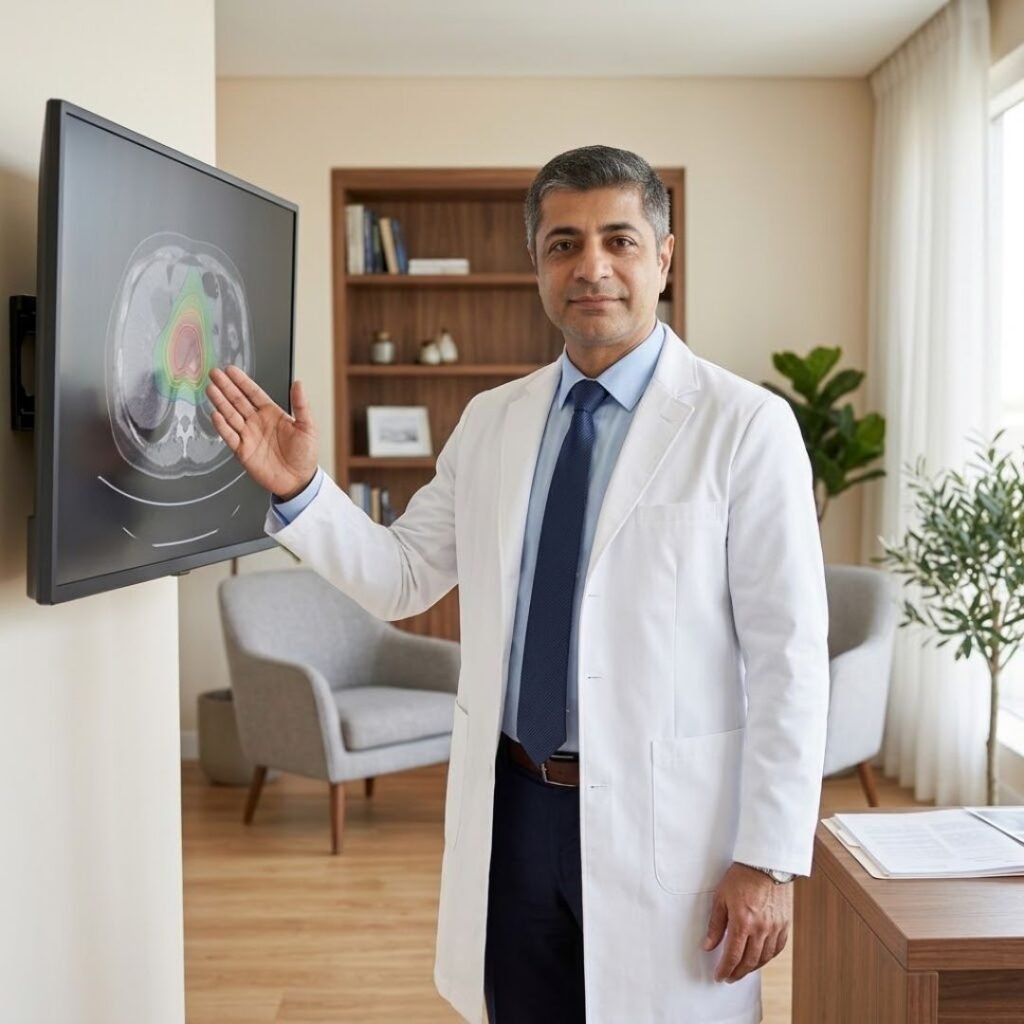
With all this information, and in coordination with the surgeon and the care team, we decide whether treatment should start with chemotherapy, radiotherapy, immunotherapy or surgery. This order differs for every patient and directly affects the outcome. I explain the treatment plan to you in plain language and answer all your questions.

Our principle: cancer treatment is not a one-person job

Cancer treatment is teamwork: oncologist, surgeon, radiologist, pathologist, medical physicist, nutritionist and psychologist. I do not take the surgeon's place; alongside the surgeon, I design and guide the non-surgical part of treatment.
3
Precise treatment with minimal harm
Step 3 of 5

Precise treatment with minimal harm

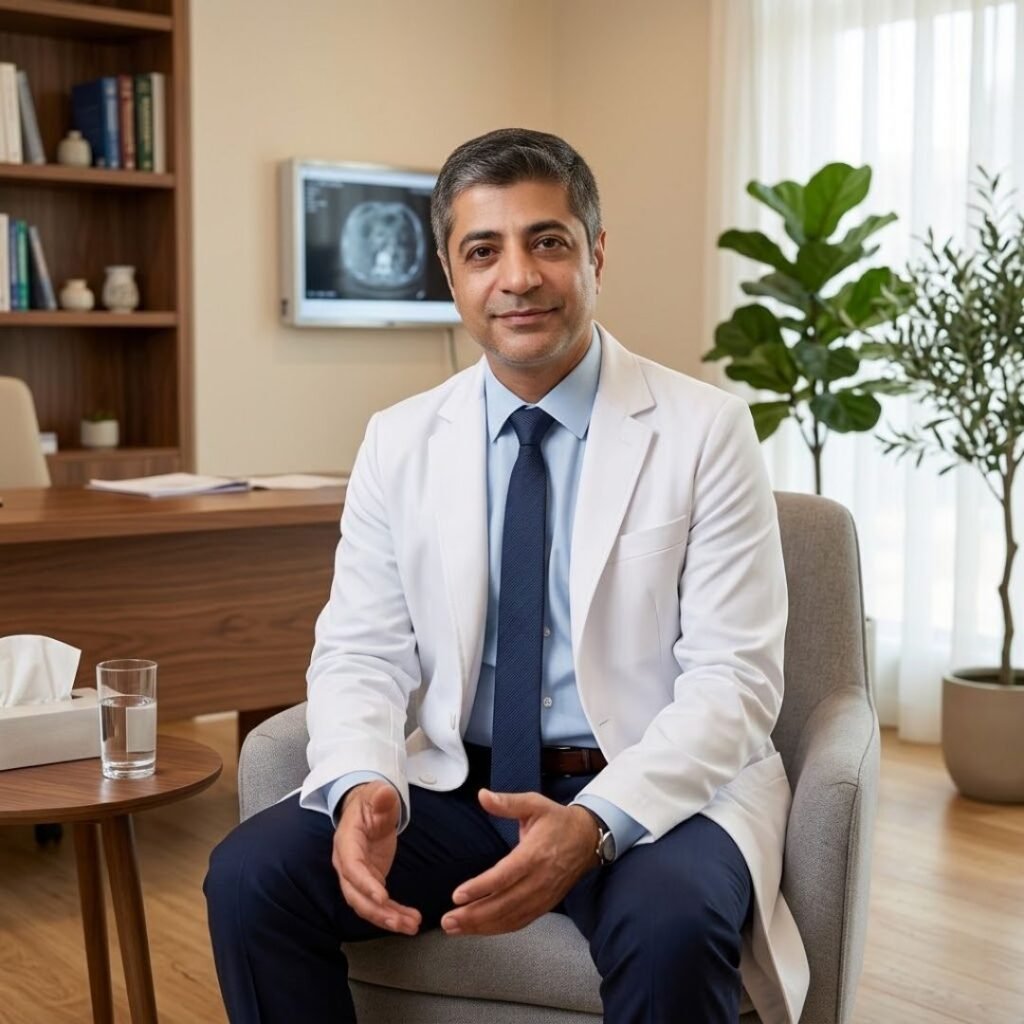
Radiotherapy is delivered with modern techniques such as IMRT and TomoTherapy, and in special cases radiosurgery and Gamma Knife, so the tumor receives an adequate dose and the healthy organs around it suffer as little harm as possible. A radiotherapy session is not painful: you lie still for a few minutes while the machine does its work. Chemotherapy, targeted therapy or immunotherapy, if needed, also have their place in this plan.

Our principle: fewest side effects, best quality of life

The goal is not only to eliminate the tumor but to return you to normal life with the fewest side effects and the least cost to your health. In laryngeal cancer, this goal can mean preserving the larynx and the ability to speak.
4
Support throughout treatment
Step 4 of 5

Support throughout treatment

Possible side effects, such as fatigue, skin changes or mouth inflammation, are explained to you before treatment begins so nothing takes you by surprise. During treatment you have regular visits, and side effects are managed promptly. Skin side effects of breast radiotherapy have been one of the subjects of my published research.

Our principle: honesty, not promises

You will not hear definitive promises from me. I explain each stage simply and fully: what we are doing, why, and what is beyond the reach of treatment. That way you always know what is happening on your treatment path.
5
Follow-up after treatment
Step 5 of 5

Follow-up after treatment

The treatment pathway does not end with the last session. Follow-up visits continue at regular intervals to assess the response to treatment, watch for late side effects and catch any change early.

Before your first visit

For your first visit, bring your pathology (biopsy) report and imaging. The treatment pathway at this clinic begins once the diagnosis is confirmed.

Book a visit

Treating many types of cancer, with particular experience in these areas

At Dr. Arbabi's clinic, many types of cancer are treated after diagnosis, from brain tumors and breast cancer to digestive and head and neck cancers. For each patient, the treatment plan is built around the type, stage and features of that particular tumor.

Brain and spinal cord tumors

Glioma, brain metastases and spinal tumors, where every millimeter matters. With radiosurgery and Gamma Knife, small lesions are treated without a surgical incision and with millimeter precision. Brain and spinal cord tumors are also among my research areas.

Prostate cancer

Radiotherapy is one of the main treatments for prostate cancer. With precise radiotherapy, the required dose reaches the prostate while the bladder and rectum are protected as much as possible. The choice between radiotherapy, drug therapy or a combination depends on the stage of the disease and each patient's circumstances.

Breast cancer

From setting the order of chemotherapy, surgery and radiotherapy to radiotherapy after surgery, while protecting the heart and lungs as much as possible. Breast cancer, from genetics to the skin side effects of radiotherapy, is the subject of much of my published research.

Digestive cancers

Cancers of the stomach, colon and rectum. In these cancers, chemotherapy or chemoradiotherapy before surgery can improve the result of surgery, and in rectal cancer it also affects survival.

Head and neck cancers

Cancers of the larynx, nasopharynx, mouth, tongue and cheek. In laryngeal cancer, choosing the right treatment path can mean preserving the larynx and the ability to speak. With IMRT, the salivary glands and the nerves around the tumor are protected as much as possible.

Other cancers

Lung cancer and other cancers that need radiotherapy, chemotherapy, targeted therapy or immunotherapy. If your type of cancer is not on this list, contact the clinic to find out whether it is treated here.

Education, memberships and academic background

Education

2008–2012
Master's degree in medical education
Isfahan University of Medical Sciences
2002–2005
Residency in radiation oncology
Isfahan University of Medical Sciences · top-ranked in the national board exam
1992–1999
Doctor of Medicine (MD)
Zahedan University of Medical Sciences

Memberships and academic background

  • Top-ranked in the national specialty board exam in radiation oncology
  • Member of the European Society for Medical Oncology (ESMO)
  • Member of the Iranian Society of Radiation Oncology (ESCO)
  • Member of the board of the National Medical Students’ Scientific Olympiad
  • Head of the Education Development Center (EDC), Zahedan University of Medical Sciences
  • Designed and established the research center of Zahedan University of Medical Sciences
  • Contributed to the curriculum and continuing education in radiation oncology
  • Designed and led workshops on clinical trials, evidence-based medicine, clinical reasoning and literature searching
  • Supervised more than 20 theses

Research and teaching: the foundation of treatment decisions

20+
years of specialist practice
since completing residency in 2005
20+
theses supervised
Mentoring young medical researchers through their theses
2
Professional society
Member of ESMO and the Iranian Society of Radiation Oncology
A full list of Dr. Arbabi's publications and citations is available on his Google Scholar profile.

Alongside the clinic, part of my time goes to research, and the reason is clinical: every question research answers makes the treatment decision for the next patient more precise. My Persian-language papers cover topics such as the skin side effects of breast radiotherapy and the effect of pelvic radiotherapy on blood cell counts, and my English-language papers focus mostly on the genetics of breast cancer.

The other half of my academic work is medical education, from a master’s degree in the field to heading the EDC at Zahedan University of Medical Sciences and running workshops on evidence-based medicine and clinical reasoning. This experience serves me at the clinic too: I weigh every decision against the scientific evidence and explain it to the patient in plain language.

Research areas:

  • Stereotactic radiosurgery and Gamma Knife
  • Applications of modern radiotherapy
  • Breast cancer
  • Brain and spinal cord tumors
  • Medical education
Full list of publications on Google Scholar

If you or someone you love is facing this journey

For an in-person visit, book an appointment on the appointment page and bring your pathology report and imaging. If you only have a question, the Q&A section is free. And if you want to hear from people who have been through this journey, watch the patient story videos.
Log In or Sign Up
Enter your mobile number or email address. A verification code will be sent to whichever you use.
Enter the code
We sent a 6-digit code to:
You are signed in
Go to my dashboard

Appointment Terms and Conditions

Last reviewed: September 2026

Booking an appointment through this system means you have read and fully accept the terms below. Please read this text to the end before paying.


1. Scope of services

Dr. Farshid Arbabi – Radiation Oncologist – treats cancer patients after a definitive diagnosis has been made.

Initial cancer diagnosis is not part of this clinic’s services. If you have not yet received a definitive diagnosis, please complete the diagnostic process with the relevant physician first.

Dr. Shaghayegh Alam – Psychologist – provides counselling and psychological support sessions for patients and their companions. These sessions are not medical treatment and do not replace a visit with the oncologist.

2. Appointment types

Appointment type Who it is for Approximate length
In-person visit – new patient First visit to this clinic 25 to 40 minutes
In-person visit – follow-up and check-up Patients in treatment or after treatment 5 to 15 minutes
Test prescription Test orders for an existing patient Short
Psychological counselling Patient or companion 60 minutes

Choosing the wrong appointment type means the allocated time will not match your actual needs. If this is your first visit, always choose «New patient», even if your file was opened with another physician.

3. Booking and payment

  • Your appointment is confirmed only after online payment is completed. Until then, the selected time is not reserved for you.
  • Payment is made through a secure bank gateway supervised by Shaparak. Your card details are never stored by this website.
  • If money is deducted without an appointment being issued, it is automatically returned to your account within 72 hours at most. Otherwise, please call the clinic.
  • An appointment tracking code is sent to you by text message. Please keep it until your visit.

4. Attending the clinic

  • Please arrive 15 minutes before your appointment so that check-in can be completed.
  • The time on your appointment is your place in the queue, not necessarily the moment you enter the doctor’s room. Because of the nature of these illnesses, a previous patient’s visit may take longer than usual. Thank you for your patience.
  • Arriving more than 15 minutes late may mean losing your appointment; being seen will then depend on the clinic’s discretion and on available time that day.

5. Required documents

For new patients, bringing the following is mandatory:

  • Your complete medical file
  • All test results
  • Pathology and biopsy reports
  • Imaging (CT, MRI, PET scan) together with their reports
  • A list of the medicines you currently take
  • National ID card

Without these documents your file cannot be reviewed properly and the visit will not be useful. If necessary, the doctor may order some tests again to confirm the information.

For follow-up patients, the latest test results and current medicines are enough.

6. Cancelling or rescheduling

  • Up to 24 hours before your appointment you can cancel or reschedule it from your account on the website. In that case the full amount is returned to your account within 3 to 7 working days.
  • Less than 24 hours before, online cancellation is not possible and the payment is not refundable, because that time slot can no longer be offered to another patient.
  • Not attending without prior notice counts as a cancellation and the full amount is lost. After two missed appointments, online booking is blocked for your phone number.

7. Cancellation by the clinic

In unavoidable circumstances (the doctor’s illness, unexpected closure, force majeure) your appointment may be cancelled or rescheduled. You will be notified by text message and the full amount will be returned without any deduction, or, if you prefer, a replacement appointment will be given to you at the earliest opportunity.

8. Privacy and medical information

  • Your identity details and phone number are used only to manage appointments and send notifications, and are not shared with third parties.
  • Your medical information is covered by medical confidentiality and is not disclosed to anyone without your written consent or a legal obligation.
  • Notes you write in the comments field when booking are used only to prepare for your visit.

9. Remote medical advice

This system is only a tool for booking in-person appointments. No treatment advice, test interpretation or prescription is given through the website, text messages or social media. Any replies are general guidance and do not replace a visit.

10. Emergencies

If you are in an emergency situation, such as shortness of breath, bleeding, uncontrolled high fever or reduced consciousness, do not wait for an appointment. Call the emergency number 115 or go to the nearest medical centre.

11. Contact

Address: Mahdad Medical Building, 2nd floor, corner of the second alley, Mir Emad St., Motahari St., Tehran Phone: +98 21 8817 9283 – +98 912 005 3678


The clinic reserves the right to revise these terms. The valid version is the one published on the website at the time you book your appointment.

I accept the terms!